Effective Construction Cost Estimation Techniques for Residential Projects
- Matthew R. Jones

- Dec 29, 2025
- 4 min read
Accurate construction cost estimation is a cornerstone of successful residential building projects. Whether you are planning a new home, an addition, or an accessory dwelling unit (ADU), understanding how to estimate costs effectively can save time, reduce stress, and prevent budget overruns. This guide explores proven techniques that help you forecast expenses with confidence, ensuring your project stays on track from design to completion.
Understanding the Importance of Estimating Construction Costs
Estimating construction costs is more than just crunching numbers. It involves a detailed analysis of materials, labor, permits, and unforeseen expenses. A well-prepared estimate acts as a roadmap, guiding decisions and helping secure financing or investor confidence. For residential projects, especially in dynamic markets like Richmond, VA, precise cost estimation can be the difference between a smooth build and costly delays.
Key reasons to prioritize accurate cost estimation include:
Budget management: Prevent overspending by setting realistic financial expectations.
Project feasibility: Determine if the project scope aligns with available resources.
Resource allocation: Plan labor and materials efficiently to avoid shortages.
Risk mitigation: Identify potential cost overruns early and adjust plans accordingly.
By integrating these considerations, you can approach your project with a clear financial strategy.
Proven Techniques for Estimating Construction Costs
Several methods exist for estimating construction costs, each suited to different project stages and complexities. Here are some of the most effective techniques:
1. Preliminary or Conceptual Estimating
This early-stage method uses historical data and rough measurements to provide a ballpark figure. It’s ideal for initial feasibility studies and budgeting before detailed plans are available.
Use cost per square foot averages based on similar projects.
Adjust for location-specific factors like labor rates and material availability.
Include contingencies for unknowns.
2. Detailed Quantity Takeoff
Once architectural drawings are ready, a quantity takeoff involves measuring every material and component needed. This method is more precise and forms the basis for contractor bids.
Break down the project into components: foundation, framing, roofing, finishes.
Calculate quantities for each material (e.g., cubic yards of concrete, square feet of drywall).
Use software tools or manual spreadsheets for accuracy.
3. Unit Cost Estimating
This technique assigns a cost to each unit of work or material, multiplying by the quantities from the takeoff. It helps in creating a line-item budget that is easy to track and update.
Obtain current market prices for materials and labor.
Include overhead and profit margins.
Update regularly to reflect price fluctuations.
4. Parametric Estimating
Parametric estimating uses statistical relationships between historical data and project variables. For example, cost per square foot adjusted by complexity factors.
Useful for projects with repetitive elements.
Requires a reliable database of past project costs.
Can be automated with specialized software.
5. Vendor and Subcontractor Quotes
Getting direct quotes from suppliers and subcontractors provides real-time pricing and can uncover cost-saving opportunities.
Solicit multiple bids to compare prices.
Clarify scope and specifications to avoid misunderstandings.
Factor in lead times and availability.

Integrating Construction Cost Estimation into Architectural Drafting
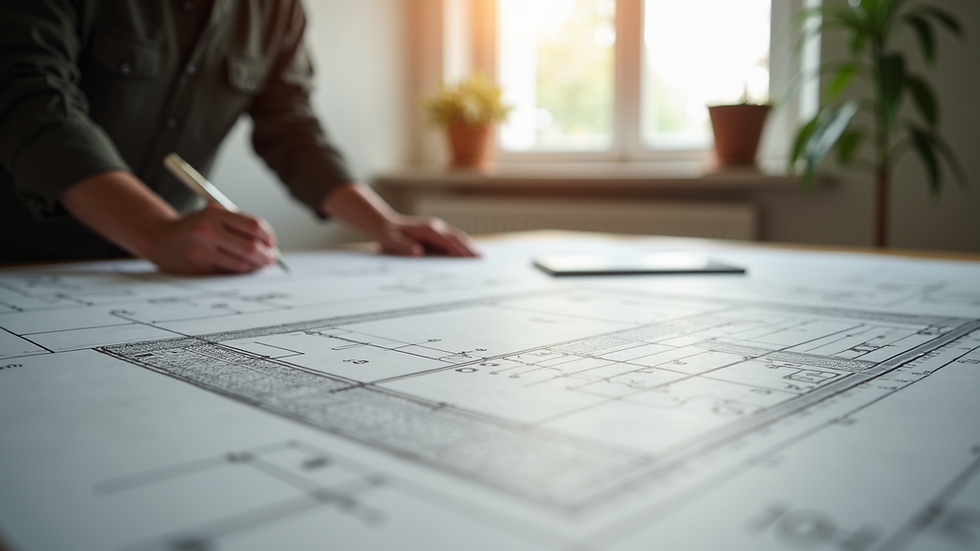
Accurate cost estimation is closely linked to the quality of architectural drafting. Detailed, code-compliant drawings enable precise quantity takeoffs and reduce the risk of costly changes during construction. Here’s how architectural drafting supports cost estimation:
Clarity: Well-drafted plans eliminate ambiguity, ensuring all parties understand the scope.
Compliance: Meeting local building codes avoids expensive rework or fines.
Customization: Tailored drawings reflect client needs and site conditions, preventing scope creep.
Speed: Fast turnaround on drawings accelerates the bidding and approval process.
At Slate Drafting, we specialize in creating high-quality residential plans that facilitate reliable cost estimates. Our one-on-one communication ensures your vision is accurately translated into buildable documents, helping you manage your budget effectively.
Best Practices for Managing Construction Budgets
Even with the best estimates, managing your construction budget requires ongoing attention. Here are actionable tips to keep costs under control:
Regularly update estimates: Adjust for changes in material prices or project scope.
Track expenses closely: Use budgeting software or spreadsheets to monitor spending.
Communicate with contractors: Maintain open dialogue to address issues promptly.
Plan for contingencies: Set aside 5-10% of the budget for unexpected costs.
Prioritize value engineering: Identify alternatives that reduce costs without sacrificing quality.
By following these practices, you can maintain financial control throughout the project lifecycle.

Leveraging Technology for Accurate Cost Estimation
Modern technology has transformed how construction costs are estimated. Digital tools and software streamline the process, improve accuracy, and enhance collaboration.
Building Information Modeling (BIM): Integrates 3D models with cost data for dynamic estimates.
Estimating software: Automates quantity takeoffs and pricing calculations.
Cloud-based platforms: Facilitate real-time updates and sharing among stakeholders.
Mobile apps: Allow on-site data collection and instant cost tracking.
Incorporating these technologies can significantly reduce errors and speed up decision-making.
Moving Forward with Confidence
Effective construction cost estimation is essential for turning residential building dreams into reality. By applying proven techniques, leveraging detailed architectural drafting, and embracing technology, you can navigate the complexities of budgeting with confidence.
For those seeking expert assistance, partnering with a design studio that understands both drafting and cost estimation can be invaluable. Whether you are a homeowner, real estate investor, or contractor, having clear, accurate, and code-compliant plans tailored to your project ensures a smoother path from concept to completion.
Explore how construction cost estimating can be integrated into your next project to optimize budgeting and planning.
By mastering these cost estimation techniques, you set the foundation for a successful residential construction project that meets your goals and respects your budget.


Comments